Author Archives: nibirudb

Dumuzid’s Dream

The Electronic Text Corpus of Sumerian Literature

(Texts: All Artifacts, Color Coding, & Writings in Bold Type With Italics Inside Parenthesis, are Added by Editor R. Brown, not the Authors, Translators, or Publishers!)

(gods in blue)

        1-4. His heart was full of tears as he went out into the countryside.

        The lad’s heart was full of tears as he went out into the countryside.
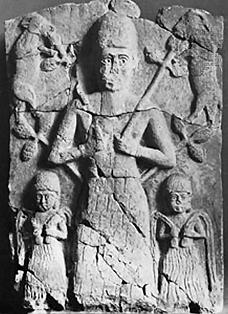
        2c - Dumuzi, Enki's son, Inanna's spouse (Dumuzi the Shepherd, son to Enki & Ninsun)

        Dumuzid‘s heart was full of tears as he went out into the countryside.

        He carried with him his {(1 ms. adds:) shepherd’s} stick on his shoulder, sobbing all the time:

        5-14. “Grieve, grieve, o countryside, grieve!

        O countryside, grieve! O marshes, cry out!

        O …… crabs of the river, grieve!

        O frogs of the river, cry out!
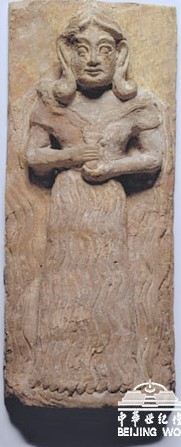
         (Ninsun, mother to Dumuzi, Gishtinanna, & many semi-divines appointed to kingships)

        My mother will call to me, my mother, my Durtur (Ninsun), will call to me,

        my mother will call to me for five things, my mother will call to me for ten things:

        if she does not know the day when I am dead, you, o countryside, can inform my mother who bore me.

        Like my little sister may you weep for me.”

        5-18. In ancient times he lay down, in ancient times he lay down, in ancient times the shepherd lay down.

        When in ancient times the shepherd lay down, he lay down to dream.

        He woke up — it was a dream!

        He shivered — it was sleep!

        He rubbed his eyes, he was terrified.
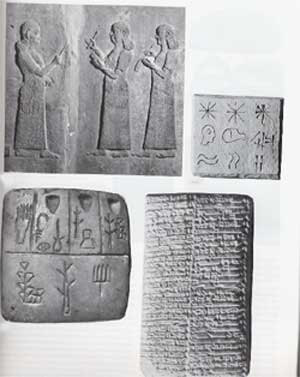
        2 - Geshtinanna, daughter to Enki & Ninsun (giant female goddesses as scribe, teachers, medical care, dancers, singers of songs, etc., etc.)

        19-24. “Bring, bring, bring my sister!

        Bring my G̃eštin-ana (Geshtinanna), bring my sister!

        Bring my scribe proficient in tablets, bring my sister!

        Bring my singer expert in songs, bring my singer!

        Bring my perspicacious girl, bring my sister!

        Bring my wise woman, who knows the meanings of dreams, bring my sister!

        I will relate the dream to her.”

        25-39. “A dream, my sister! A dream!

        In my dream, rushes were rising up for me, rushes kept growing for me,

        a single reed was shaking its head at me; twin reeds — one was being separated from me.

        Tall trees in the forest were rising up together over me.

        Water was poured over my holy {coals} {(1 ms. has instead:) brazier} for me, the cover of my holy churn was being removed,

        my holy drinking cup was torn down from the peg where it hung, my shepherd’s stick disappeared from me.

        An owl (?) took a lamb from the sheep house, a falcon caught a sparrow on the reed fence,

        my male goats were dragging their dark beards in the dust for me, my rams were scratching the earth with their thick legs for me.
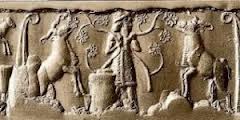
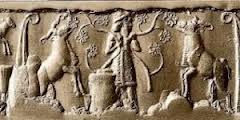
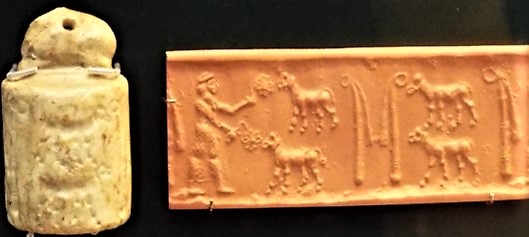
        2b - Dumuzi the shepherd (Dumuzi & stags, herding in the mountains)

        The churns were lying on their side, no milk was poured, the drinking cups were lying on their side,
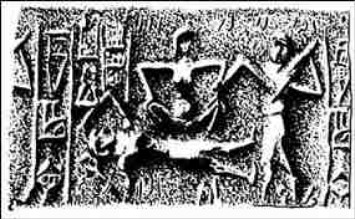
        5a - Dumuzi is dead (Dumuzi‘s deceased water-damaged body discovered)

        Dumuzid (Dumuzi) was dead, the sheepfold was haunted.”

        41-55. G̃eštin-ana answered Dumuzid:

        “My brother, your dream is not favorable, don’t tell me any more of it!

         Dumuzid, your dream is not favorable, don’t tell me any more of it!

        The rushes rising up for you, which kept growing for you, are bandits rising against you from their ambush.

        The single reed shaking its head at you is your mother who bore you, shaking her head for you.

        The twin reeds of which one was being separated from you is you and I — one will be separated from you.

        The tall trees in the forest rising up together over you are the evil men catching you within the walls.

        That water was poured over your holy coals means the sheepfold will become a house of silence.

        That the cover of your holy churn was being removed for you means the evil man will bring it inside in his hands.”

        56-69. “Your holy drinking cup being torn down from the peg where it hung is you falling off the lap of the mother who bore you.

        That your shepherd’s stick disappeared from you means the demons {will set fire to it} {(1 ms. has instead:) will smash it}.

        The owl (?) taking a lamb from the sheep house {is the evil man who will hit you on the cheek}

        {(1 ms. has instead:) is the evil man who will destroy the sheep house}.

        The falcon catching a sparrow on the reed fence is the big demon coming {down}

        {(1 ms. has instead:) out} from the sheep house.

        That the churns were lying on their sides, no milk was poured,

        the drinking cups were lying on their sides, that Dumuzid was dead, and the sheepfold haunted,
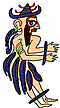
        2 - Dumuzi, youngest son to Enki2a - Dumuzi the Shepherd, Adam, & Eve

         (Dumuzi bound hand & feet; Dumuzi, earliest “modern earthling male & female, & Dumuzi the Shepherd)”

        means your hands will be bound in handcuffs, your arms will be bound in fetters.

        That your male goats were dragging their dark beards in the dust for you

        means that my hair will whirl around in the air like a hurricane for you.

        That your rams were scratching the earth with their thick legs for you

        means that I shall lacerate my cheeks with my fingernails for you as if with a boxwood needle.”

        70-82. Hardly had she spoken these words when he said,

        “Sister, go up onto the mound, sister, go up onto the mound!

        Sister, when you go up onto the mound, do not go up onto the mound like an ordinary person,

        but lacerate {your heart} {(1 ms. has instead:) your hair} and your liver,

        lacerate your clothes and your crotch, sister, and then go up onto the mound!

        Sister, when you go up onto the mound, look out from onto the mound!

        The evil ……, hated by men, …… a river barge!

        They hold in their hands the wood to bind the hands,

        they are identified (?) from the wood to bind the neck — no man knows how to undo it!”

        83-86. Ama-g̃eštin-ana (Geshtinanna) went up onto the mound and looked around, G̃eštin-ana craned her neck.

        Her girl friend G̃eštin-dudu (unidentified?) advised her:

        “The big men who bind the neck are already coming for him, they are …… coming for him!'”

        87-90.

        “My adviser and girl friend! Are they coming?”

        “Yes, I will point out to you those who bind the neck!”

        “My brother, your demons are coming for you!

        Duck down your head in the grass!

        Dumuzid, your demons are coming for you!

        Duck down your head in the grass!”

        91-94. “My sister, I will duck down my head in the grass!

        Don’t reveal my whereabouts to them!

        I will duck down my head in the short grass!

        Don’t reveal my whereabouts to them!

        I will duck down my head in the tall grass!

        Don’t reveal my whereabouts to them!

        I will drop down into the ditches of Arali!

        Don’t reveal my whereabouts to them!”

        95-97. “If I reveal your whereabouts to them, may your dog devour me!

        The black dog, your shepherd dog, the noble dog, your lordly dog, may your dog devour me!”

        98-102. She remembered (?): “…… give your friend instructions about it!

        O my brother, may you never have a friend or comrade like ……!

        After the demons (?) have searched for you, ……, if he tells you …….”

        103-106. “My friend, I will duck down my head in the grass!

        Don’t reveal my whereabouts to them!

        I will duck down my head in the short grass!

        Don’t reveal my whereabouts to them!

        I will duck down my head in the tall grass!

        Don’t reveal my whereabouts to them!

        I will drop down into the ditches of Arali!

        Don’t reveal my whereabouts to them!”

        107-109. “If I reveal your whereabouts to them, may your dog devour me!

        The black dog, your shepherd dog, the noble dog, your lordly dog, may your dog devour me!”

        110-138. Those who came for the king are a motley crew, who know not food, who know not drink, who eat no sprinkled flour,

        who drink no poured water, who accept no pleasant gifts, who do not enjoy a wife’s embraces,

        who never kiss dear little children, who never chew sharp-tasting garlic, who eat no fish, who eat no leeks.

        There were two men of Adab who came for the king.

        They were thistles in dried-up waters, they were thorns in stinking waters –

        ‘his hand was on the table, his tongue was in the palace’ (Alludes to a proverb) .

        Then there were two men of Akšak who came for the king, with …… carried on their shoulders.
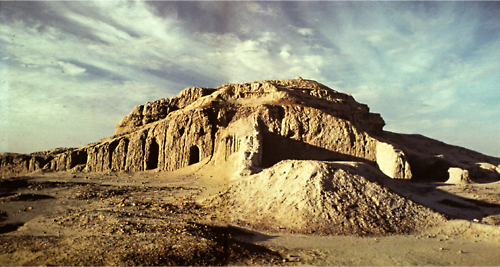
            2ca - Anu's temple, at least 3500B.C.

         (giant alien gods King Anu’s, when visiting Earth, & Inanna‘s mud-brick-built ziggurat temple residence in Uruk)

        Then there were two men of Unug (Uruk) who came for the king.

        With head-smashing clubs tied to their waists, there were two men of Urim (Ur) who came for the king.
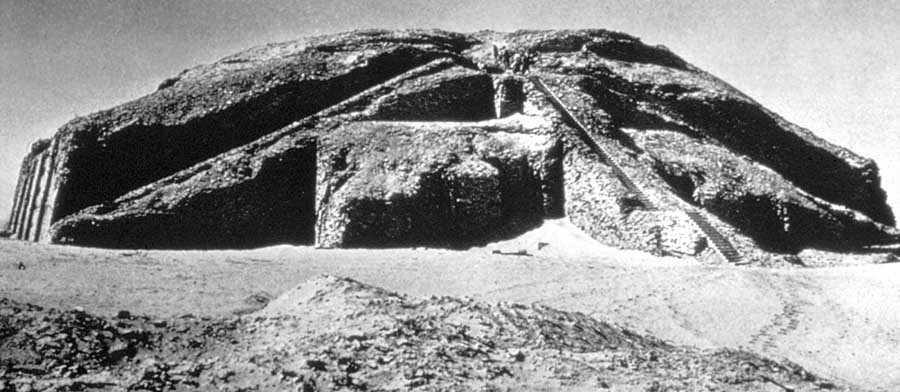
        3d - Nannar's Ziggourat-Temple in Ur

       (Nannar‘s & spouse Ningal‘s mud-brick-built ziggurat temple residence in Ur, city of Biblical Abraham & family, with Stairway to Heaven)

        With {shining} {(1 ms. has instead:) clean} clothes on the quayside, there were two men of Nibru who came for the king.

        Crying “Man run after man!”, they came to the sheepfold and cow-pen.

        They caught G̃eštin-ana at the sheepfold and cow-pen.

        They offered a river of water, but she wouldn’t accept it.

        They offered her a field of grain, but she wouldn’t accept it.

        The little demon spoke to the big demon, the wise demon, the lively demon,

        and the big demon who was between them, wise like …… destroying a ……, like …… barring a ……, they spoke:

        139-150. “Who since the most ancient times has ever known a sister reveal a brother’s whereabouts?

        Come! Let us go to his friend!”

        Then they offered his friend a river of water, and he accepted it.

        They offered him a field of grain, and he accepted it.

        “My friend ducked down his head in the grass, but I don’t know his whereabouts {(1 ms. adds:)

        Dumuzid ducked down his head in the grass, but I don’t know his whereabouts}”.

        They looked for Dumuzid‘s head in the grass, but they couldn’t find him.

        “He ducked down his head in the short grass, but I don’t know his whereabouts”.

        They looked for Dumuzid‘s head in the short grass, but they couldn’t find him.

        “He ducked down his head in the tall grass, but I don’t know his whereabouts”.

        They looked for Dumuzid‘s head in the tall grass, but they couldn’t find him.

        “He has dropped down into the ditches of Arali, but I don’t know his whereabouts”.

        151-155.They caught Dumuzid in the ditches of Arali.

        Dumuzid began to weep and was tear-stricken: “In the city my sister saved my life, my friend caused my death.

        If a sister leaves (?) a child in the street, someone should kiss it.

        But if a friend leaves (?) a child in the street, no one should kiss it.”

        156-164. The men surrounded him and drained the standing waters.

        They twisted a cord for him, they knotted a net for him.

        They wove a reed hawser for him, they cut sticks for him.

        The one in front of him threw missiles at him, the one behind him …… one cubit.

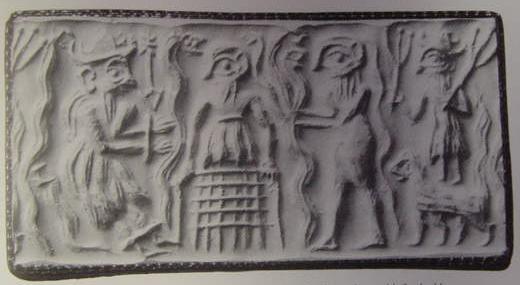
        2 - Dumuzi, youngest son to Enki (captured Dumuzi, bound hands & feet, pleads for help)

        His hands were bound in handcuffs, his arms were bound in fetters.

        The lad raised his hands heavenward to Utu:
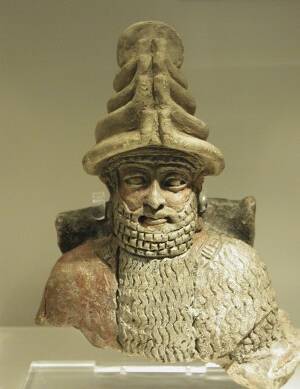
        2a - Utu, Shamash, twin to Inanna (Utu, twin brother to Dumuzi‘s spouse Inanna)

        165-173. Utu, you are my brother-in-law, I am your sister’s husband!

        I am he who carries food to E-ana (ziggurat residence), I am he who brought the wedding gifts to Unug (Uruk),
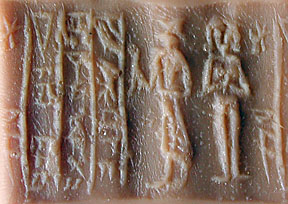
       1-inanna-dumuzi-young-lovers  (Dumuzi & his young spouse Inanna, Goddess of Love)

        I am he who kisses the holy lips, I am he who dances on the holy knees, the knees of Inanna.

        Please change my hands into gazelle hands, change my feet into gazelle feet, so I can evade my demons.

        Let me escape with my life to Ku-bireš-dildareš.”

        174-180. Utu accepted his tears {(1 ms. adds:) as a gift}.

        Like a merciful man he showed him mercy.

        He changed his hands into gazelle hands, he changed his feet into gazelle feet,

        and so he evaded the demons, and escaped with his life to Ku-bireš-dildareš.

        The demons searched for him, but didn’t find him.

        181-191. “Come, let us go to Ku-bireš.” {(1 ms. adds:) …… like a net …….}

        They caught Dumuzid at Ku-bireš.

        The men surrounded him and drained the standing waters.

        They twisted a cord for him, they knotted a net for him.

        They wove a reed hawser for him, they cut sticks for him,

        the one in front of him threw missiles at him, the one behind him …….

        2a - Dumuzi the Shepherd, Adam, & Eve (Dumuzi‘s cuffed hands & feet)

        His hands were bound in handcuffs, his arms were bound in fetters.

        The lad raised his hands heavenward to Utu:

        192-199. “Utu, you are my brother-in-law, I am your sister’s husband!
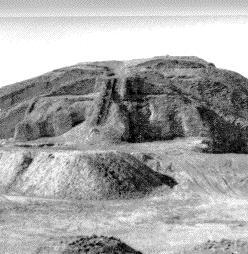
        3e - Anu's Temple in Uruk (house of giant alien gods in Uruk, & other cities, with their launch & landing site on tops of ziggurats, far away from the earthlings living in the cities way below them)

        I am he who carries food to E-ana (Anu‘s temple in Uruk), I am he who brought the wedding gifts to Unug (Uruk),
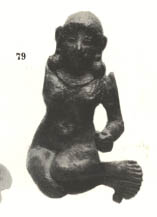
       inanna  (Inanna, daughter to Nannar & Ningal, attractive young spouse to Dumuzi)

        I am he who kisses the holy lips, I am he who dances on the holy knees, the knees of Inana.

        Please change my hands into {gazelle} {(1 ms. has instead:) snake} hands, change my feet into {gazelle}

        {(1 ms. has instead:) snake} feet, so I can escape to the house of Old Woman Belili.”

        200-205. Utu accepted his tears.

        He changed his hands into {gazelle} {(1 ms. has instead:) snake} hands,

        he changed his feet into {gazelle} {(1 ms. has instead:) snake} feet,

        so he evaded the demons and escaped with his life to the house of Old Woman Belili.

        He approached the house of Old Woman Belili.

        206-208. “Old woman! I am not just a man, I am the husband of a goddess!

        Would you pour water — please — so I can drink water.

        Would you sprinkle flour — please — so I can eat flour.”

        209-212. She poured water, and she sprinkled flour, and he sat down inside the house.

        The old woman left the house.

        When the old woman left the house, the demons saw her.

        213-226. “Unless the old woman is aware of Dumuzid‘s whereabouts, she is indeed looking frightened!

        She is indeed screaming in a frightened way!

        Come, let us go to the house of Old Woman Belili!”

        They caught Dumuzid at the house of Old Woman Belili.

        The men surrounded him and drained the standing waters.

        They twisted a cord for him, they knotted a net for him.
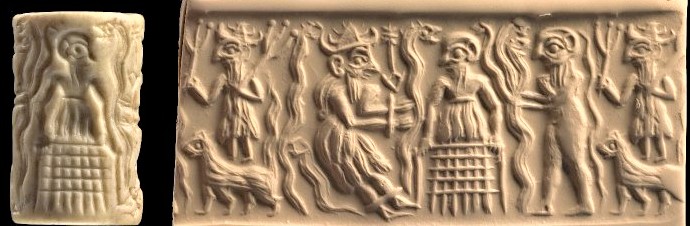
         (Dumuzi, Biblical “Adam“, “Eve“, & Dumuzi the Shepherd)

        They wove a reed hawser for him, they cut sticks for him, the one in front of him threw missiles at him, the one behind him …….

        His hands were bound in handcuffs, his arms were bound in fetters.

        The lad raised his hands heavenward to Utu:

        227-234. Utu, you are my brother-in-law, I am your sister’s (Inanna) husband!

        I am he who carries food to E-ana (Anu’s temple residence in Uruk)

        I am he who brought the wedding gifts to Unug, I am he who kisses the holy lips,
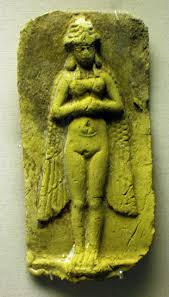
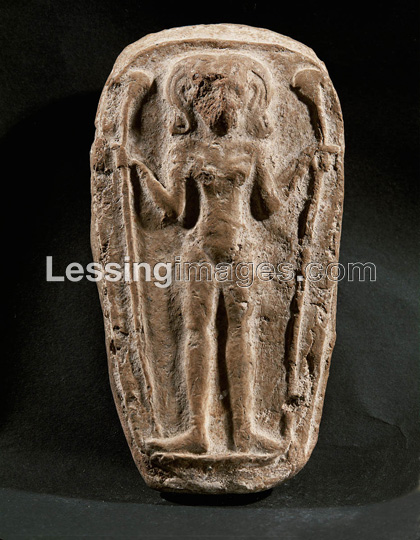
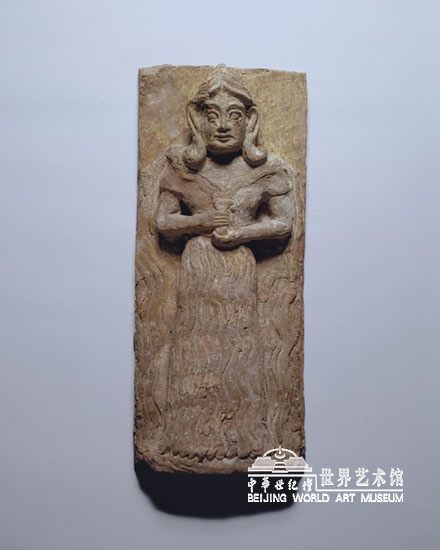
        4f - flying Inanna 1 The goddess Astarte, from the Hebron area, Israel. Pottery relief (around 1400 BCE) Late Bronze Age II (powerful Goddess of Love, Inanna)

        I am he who dances on the holy knees, the knees of Inanna.

        Please change my hands into gazelle hands, change my feet into gazelle feet, so I can escape to the holy sheepfold, my sister’s sheepfold.”
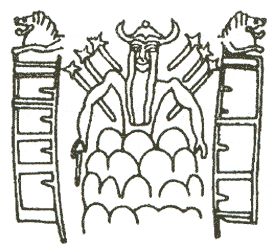
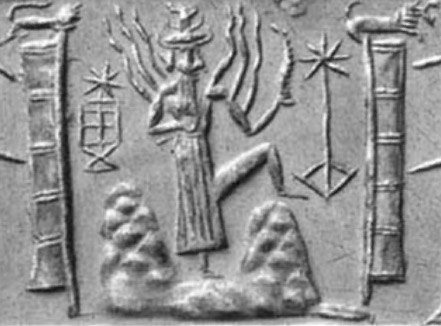
3h - Utu in the mountains of Sippar 3a-utu-in-the-mountains-with-weapons-of-brilliance (Utu, Commander of the mountain launch & landing sites)

        235-244. Utu accepted his tears.

        He changed his hands into {gazelle} {(1 ms. has instead:) snake} hands,

        he changed his feet into {gazelle} {(1 ms. has instead:) snake} feet, so he evaded the demons,

        and escaped with his life to the holy sheepfold, his sister’s sheepfold.

        He approached the holy sheepfold, his sister’s sheepfold.

        G̃eštin-ana cried toward heaven, cried toward earth.

        Her cries covered the horizon completely like a cloth, they were spread out like linen.

        She lacerated her eyes, she lacerated her face, she lacerated her ears in public;

        in private she lacerated her buttocks.

        245-255. “My brother, I will go round in the streets …….”

        (The demons said:)

        “Unless G̃eštin-ana is aware of Dumuzid‘s whereabouts, she is indeed looking frightened!

        She is indeed screaming in a frightened way!

        Come, let us go to the sheepfold and cow-pen!”

        When the first demon entered the sheepfold and cow-pen, {he set fire to the bolt} {(1 ms. has instead:) he shouted ……}.

        When the second entered the sheepfold and cow-pen, he set fire to the shepherd’s stick.

        When the third entered the sheepfold and cow-pen, he removed the cover of the holy churn.
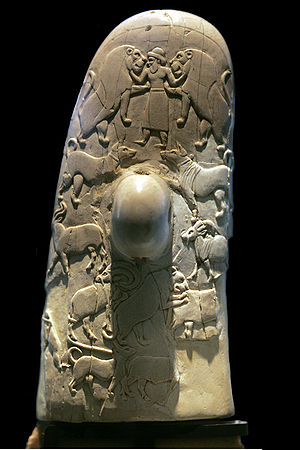
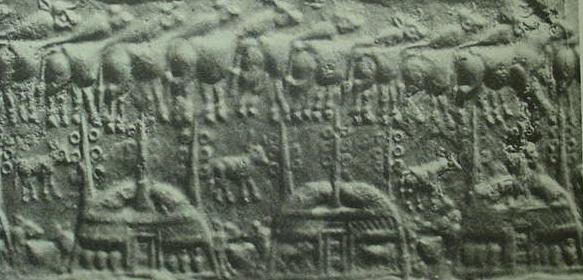
        2e - El & 2 lions housing-housing-tents-of-early-modern-man (alien cow pens of Nannar in Ur, feeding Sumer)

        256-260. {When the fourth entered the sheepfold and cow-pen, he tore down the drinking cup from the peg where it hung.

        When the fifth entered the sheepfold and cow-pen, the churns lay on their side, no milk was poured,
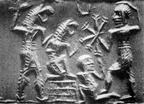
        5 - Utu protects Dumuzi (demons attack & kill giant alien god Dumuzi, Marduk is blamed by Inanna)

        the drinking cups lay on their side, Dumuzid was dead, the sheepfold was haunted.}

        {(instead of lines 256-260, 1 ms. has:)

        When the fourth entered the sheepfold and cow-pen, he poured water on my holy brazier.

        When the fifth demon entered the sheepfold and cow-pen, he tore down my holy drinking cup from the peg where it hung.

        When the sixth demon entered the sheepfold and cow-pen, the churns lay on their side, and no milk was poured.

        When the seventh demon entered the sheepfold and cow-pen,

        the drinking cups lay on their side, Dumuzid was dead, the sheepfold was haunted.}
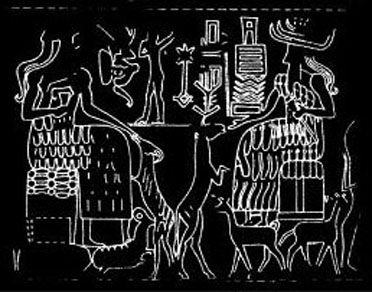
        3a-inanna-dumuzi  (young lovers Inanna, & spouse Dumuzi the Shepherd)

        261-999. A šir-kalkal for the dead Dumuzid.
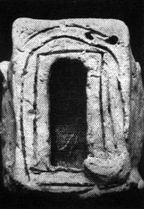
Dumuzid and His Sisters

The Electronic Text Corpus of Sumerian Literature

(Texts: All Artifacts, Color Coding, & Writings in Bold Type With Italics Inside Parenthesis, are Added by Editor R. Brown, not the Authors, Translators, or Publishers!)

(gods in blue)


approx. 62 lines missing

1-28. …… my …….

…… my lacerated eyes …….

…… my lacerated nose …….

…… my beaten …….

…… my hasty …….

…… my ……

1 line fragmentary ……

my …….

…… my loaded wagon …….

…… my …….

…… my …….

…… who is cheerful …….

…… who laments …….

4 - door to Ereshkigal's Underworld (entrance to the Nether World, domain of Ereshkigal)

…… the door of the gate (of the nether world) …….

My brother, …… the door of the gate ……

1 line fragmentary ……

ladyship (?) …….

On the mighty river, …….

…… its fields, a waterskin …….

…… in lamenting …….

…… my …… hated …….

2-dumuzi-youngest-son-to-enki2a-dumuzi-the-shepherd-adam-eve (Dumuzi captured with cuffed hands & feet) 

My brother, your feet hurt, your feet …… the road.

My brother, wherever you go I will hasten with you.

           6b-inanna-dumuzi-in-the-underworld  (Inanna & Geshtinanna attempt to reach Dumuzi in the Nether World)

Dumuzid (Dumuzi), wherever you go I will hasten with you.

…… I will hasten with you.

I will hasten with you.

…… going (?) as your slavegirl, …… of the lord, I …….

…… of the lord ……

…… going (?) as your slavegirl, …… of the lord, I …….”

29-34. “My brother — because of him I cannot rejoice.

3 - Dumuzi the shepherd

       (Kish King Etana ascends to heaven / planet Nibiru, & Dumuzi the Shepherd)

My brother ……. Dumuzid, my brother — because of him I cannot rejoice, …….

…… in front of him ……. …… he who bound his arms went in front of him.

          (Dumuzi with fettered hands & feet)

…… he who fettered his hands went behind him.

…… they who beat him went alongside him.”

35-53. …… then the elder sister spoke to him.

…… she replied to him in his distress ……: “…… those men will seize him.

…… let them bring …….

…… they will rip out …….”

3 lines fragmentary

approx. 11 lines missing

54-68. 1 line fragmentary

“…… you also ……. …… you also …….”

…… they paid (?) attention …….

…… went along the broad road.

…… went along the broad road.

…… the demon confronted her.

…… the demon confronted her.

…… the demon confronted her.

…… met her ……, the demon confronted her.

……, he tried to control (?) her.

……, as she was tearing out her hair, he tried to control (?) her.

…… as she was lacerating her eyes, as she was lacerating her nose, he tried to control (?) her.

…… as she …… excessively, he tried to control (?) her.

…… as she spoke …… beauty …… lips, he tried to control (?) her:

69-72. “…… you, maiden, who are in a similar state (?) to the lord, are you his sister?

…… who are in a similar state (?) to Dumuzid, are you his sister?

…… are you the lad’s younger sister?

Are you his sister?

2 - Geshtinanna, daughter to Enki & Ninsun (giant female Anunnaki goddesses as scribes, teachers, singers of songs, etc., etc.)

…… are you Dumuzid‘s younger sister?

Are you his sister?”

73-80. “Cut …… with my ……; I am his sister.

Cut with Dumuzid (Dumuzi); I am his sister.

I am the lad’s younger sister, I am his sister.

I am Dumuzid‘s younger sister, I am his sister.

Now, let me too be in a similar state (?) …… to him; I am his sister.

Let me too be in a similar state (?) …… to him; I am his sister.

If I had a cord …… on my hands, my hands would not hurt.

If I had a wine jar on my shoulder, my shoulder would not hurt.”

81-85. She returned to the side of his …… and muddied (?) the water.

She, Ĝeštin-ana, poured water into a crevice in the ground for him.

The maiden, equipped with ……, agitated (?) the water.

She agitated (?) the water, the water for the brother, …….

She agitated (?) the water, and returned it to the river:

86-88. “Return to your river! Return to your river! Return to your river!

O water which my brother cannot drink, return to your river!

O water which Dumuzid cannot drink, O water, return to your river!”

89-108. She heaped up the …… of the river, and muddied the Euphrates:

“…… my brother is no longer alive.

He will cut …… from …….

5a - Dumuzi is dead (Dumuzi‘s body discovered)

…… Dumuzid is no longer alive.

He will cut …… from …….

…… is no longer alive, he is no longer alive.

He will definitely not return.

My …… is no longer alive.

My …… is no longer alive.

My …… is no longer alive.

…… is no longer alive.

…… is no longer alive.

…… is no longer alive.

…… Dumuzid is no longer alive.

He will definitely not return.

I cannot rejoice over …… when you were born.

I cannot rejoice over …… when you were born.

I cannot rejoice over …… when you were born.

…… was born.

…… was born.

…… I, Ĝeštin, …….

…… to Dumuzid.

…… I, Ĝeštin, …….”

1 line fragmentary

approx. 60 lines missing

(only a few traces are visible)

Dumuzi’s (House) – Temple Hymn

The Electronic Text Corpus of Sumerian Literature

(Texts: All Artifacts, Color Coding, & Writings in Bold Type With Italics Inside Parenthesis, are Added by Editor R. Brown, not the Authors, Translators, or Publishers!)

(gods in blue)

        O house where lustrous herbs are strewn upon the flowery bed,

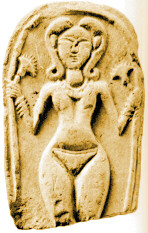
         1c - Astarte, Hittite goddess of love (naked Inanna in her bed-chamber, spouse to Dumuzi, & Goddess of Love)

        the bed-chamber of holy Inana, where the lady of the plain refreshes herself!

        Brick-built E-muš (House which is the precinct) is flowery and holy,

        its …… clay established for him who tends the ewes on the high plain.

         2b - Dumuzi the shepherd (Dumuzi with stags)

        Your …… house of Arali (House which is the nether world) gives shade (?) to the shepherd.

        Your prince, a raging lion on the plain, the šuba jewel of the Mistress whose breast is holy and marvelous,

        1a-inanna-dumuzi (Inanna & Dumuzi the Shepherd, son to Ninsun & Enki)

        the lord who is holy Inana‘s husband, Dumuzid (Dumuzi), the sovereign of E-muš, has erected a house in your precinct,

        O Bad-tibira, and taken his seat upon your dais.

        10 lines: the house of Dumuzid in Bad-tibira.

Dumuzi Quotes From Sitchin Books, Etc.

SEE SITCHIN’S EARTH CHRONICLES, ETC.:


(Texts: All Artifacts, Color Coding, & Writings in Bold Type With Italics Inside Parenthesis, are Added by Editor R. Brown, not the Authors, Translators, or Publishers!)

(gods in bluemixed-breed demigods in teal…)


Farther north, in the grazing plateau of the Sudan, the youngest son, DUMU.ZI (“Son Who Is Life”), whose nickname was “The Herder” was given reign…

        “When he came up to heaven,

        When he approached the Gate of An,

         Dumuzi and Gizzida were standing in the Gate of An.

         They saw Adapa and cried, “Heaven help him!

         Young man, on whose behalf do you look like this Adapa, …”

       Dumuzid (Dumuzi) is the one who makes the upper land fertile (allumlum) …

Tablets tell that Ishtar, coming home from out of town, found her husband playing around. He was banished to the Lower World, and stayed with Inanna’s sister Ereshkigal and her consort, Nergal. Inanna later went to the Abzu to find him and make up.

That Inanna had gone to visit Dumuzi (“The Herder”) in his faraway rural district, we know from a Sumerian text:

         “The young lad stood waiting;

         Dumuzi pushed open the door

         Like a moonbeam she came forth to him…

         He looked at her, rejoiced in her,

         Took her in his arms and kissed her,

         The Herder put his arms around the maiden;

         ‘I have not carried you off into slavery,’ (he said)

         ‘Your table will be a splendid table,

         the splendid table where I myself eat …”

In the bedroom she found

         “a bed of gold, adorned with lapis lazuli,

         which Gibil had refined for her in the abode of Nergal …”

After the war, and their marriage consumated,they spent many days and nights in ecstacy.

         “As sweet as your mouth are your parts, they befit a princely status!

         Subdue the rebellious country let the nation multiply;

         I will direct the country rightly! …”

Another time she confessed to him her version:

         I had a vision of a great nation choosing Dmuzi as God of its country…

         For I have made Dumuzi’s name exalted, I gave his status …”

Many songs celebrate the love affair between Inanna…and Dumuzi:

         “O that they put his hand in my hand for me.

         O that they put his heart next to my heart for me.

         Not only is it sweet to sleep hand in hand with him,

         Sweetest of sweet is also the loveliness of joining heart to heart with him …”

The tragic tale is recorded on a tablet CT.15.28-29. By prearrangement his sister, “the song-knowing sister was sitting there.” She thought she was invited for a picnic. As they were

         “eating the pure food, dripping with honey and butter,

         as they were drinking the fragrant divine beer,” and were spending the time in a happy mood…

         Dumuzi took the solemn decision to do it …”

To prepare his sister for what he had in mind, Dumuzi took a lamb and copulated it with its mother, then had a kid copulate with its sister lamb. Dumuzi was touching his sister in emulation,

         “but his sister still did not understand …”

As Dumuzi’s actions became more and more obvious, Geshtinanna

         “screamed and screamed in protest …”

but

         “he mounted her… his seed was flowing into her vulva …”

           “Halt!” she shouted, “it is a disgrace!” But he did not stop. Having done his deed,

         “the Shepherd, being fearless, being shameless, spoke to his sister …”

Inanna was in on the plan: Dumuzi, prior to leaving,

         “’spoke to her of planning and advice’ and Inanna

         to her spouse answered about the plan to him she gave her advice …”

Dumuzi was soon there-after seized with a premonition that he was to pay for his deed with his life…Waking up, he asked his sister Geshtinanna to tell him the meaning of the dream.

         My brother, your dream is not favorable, it is very clear to me …”

It foretold

         “bandits rising against you from ambush…

         your hands will be bound in handcuffs,

         your arms will be bound in fetters …”

No sooner had Geshtinanna finished talking than the evil ones appeared…and caught Dumuzi. Bound…Dumuzi cried out an appeal to Utu / Shamash:

         “O Utu, you are my brother-in-law, I am your sister’s husband…

         Change my hands into a gazelle’s hands, change my feet into a gazelle’s feat,

         let me escape the evil ones! …”

Hearing his appeal, Utu enabled Dumuzi to escape…Dumuzi was captured again, and again escaped. ..A strong wind was blowing, the drinking cups were overturned; the evil ones closed in on him, all as he had seen in his dream: And in the end:

         “The drinking cups lay on their side; Dumuzi was dead.

         The sheepfold was thrown into the wind …”

In another version of the events, a text titled The Most Bitter Cry”…makes it clear that they had come on higher authority:

         “My master has sent us for you, …”

the chief deputy announced to the awakened god. They proceed to strip Dumuzi of his divine attributes:

         “Take the divine headress off your head, get up bareheaded;

         Take the royal robe off your body, get up naked;

         Lay aside the divine staff which is in your hand, get up empty-handed;

         Take the holy sandals off your feet, get up berefooted! …”

The seized Dumuzi manages to escape and reaches the river

         at the great dike in the desert of E.MUSH …”

(Home of the Snakes)…the place where nowadays the great dam of Aswan is located. But the swirling waters did not let Dumuzi reach the other riverbank where his mother and Inanna were standing…

         “there did the boat-wrecking waters carry the espoused of Inanna …”

Having disapproved of the DumuziInanna love match from the beginning, Marduk no doubt was even more opposed to the union after the Pyramid Wars. The rape of Geshtinanna by Dumuzi—was thus an opportunity for Marduk to block the designs Inanna had on Egypt, by seizing and punishing Dumuzi.

As far as she (Inanna) was concerned, Marduk had caused her beloved’s death. And as the (Akkadian) text makes clear

        “What is in holy Inanna’s heart?

         To Kill!

         To kill the Lord Bilulu.(Marduk) …

Inanna armed herself with an array of weapons to attack the god in his hiding place…she confidently approached The Mountain, which she called E.BIH (Abode of Sorrowful Calling”). Haughtily she proclaimed:

         “Mountain, thou art so high, thou art elevated above all others…

         Thou touchest the sky with thy tip…

         Yet I shall destroy thee,

         To the ground I shall fell thee..

         Inside thine heart pain I shall cause …”

As Inanna continued to challenge Marduk, now hiding inside the mighty structure (pyramid), her fury rose…

        “For the second time, infuriated by his pride,

         Inanna approached (the pyramid) again and proclaimed:

         ‘My grandfather Enlil has permitted me to enter inside The Mountain! …”

Flaunting her weapons, she haughtily announced:

         “Into the heart of the Mountain I shall penetrate…

         Inside the Mountain, my victory I shall establish! …”

She began to attack:

         “She seized not striking the sides of E-Bih and all its corners, even its multitude of raised stones.

         But inside…the Grest Serpent who had gone in his poison ceased not to spit. …”

Dumuzi Quotes From Texts

(Texts: All Artifacts, Color Coding, & Writings in Bold Type With Italics Inside Parenthesis, are Added by Editor R. Brown, not the Authors, Translators, or Publishers!)

(gods in blue)


Dumuzid / Dumuzi Quotes From Texts

Dumuzid / Dumuzi = Inanna’s spouse, Enki’s & Ninsun’s young son, Geshtinanna’s brother

Died by the Hands of ½ Brother Marduk

         “Inana’s husband, Dumuzid,…

        With my sheaves spread over the meadows the sheep of Dumuzid are improved …”.


        “The foremost house, firmly founded, …….

        In order to destroy Kisiga, ten men, even five men …….

        Three days and three nights did not pass, …… the city was raked by a hoe.

        Dumuzid left Kisiga like a prisoner of war, his hands were fettered…

        She rode away from her possessions, she went to the mountains.

        She loudly sang out a lament over those brightly lit mountains:

        ‘I am queen, but I shall have to ride away from my possessions, and now I shall be a slave in those parts.

        I shall have to ride away from my silver and lapis lazuli, and now I shall be a slave in those parts.

        There, slavery, …… people, who can …… it?

        There, slavery, Elam ……, who can …… it?

        Alas, the destroyed city, my destroyed house,’ she cried bitterly.

        My queen, though not the enemy, went to enemy land.

        Ama- ucumgal-ana (Dumuzi) …… Kisiga … “


Amaucumgalana Quotes From Texts

Ama-ucumgal-ana = Dumuzi, Inanna’s beloved spouse

        “built the sheepfolds, carried out their cleaning, made the cow-pens, bestowed on them the best fat and cream,

        and brought luxury to the gods’ dining places.

        He made the plain, created for grasses and herbs, achieve prosperity.

        Enki placed in charge of all this the king, the good provider of E-ana,

        the friend of An (Anu), the beloved son-in-law of the youth Suen (Nannar),

        the holy spouse of Inana the mistress, the lady of the great powers who allows sexual intercourse in the open squares of Kulaba–

        Dumuzid-ucumgal-ana (Dumuzi, Enki’s son), the friend of An …”


       “Ama-ušumgal-ana, the son-in-law of Suen (Nannar / Sin),

        Lord Dumuzid (Dumuzi), is perfect for the holy embrace.

        Ama-ušumgal-ana, son-in-law of Suen, my lord: …”


        “At the New Year, at the festival of Dumuzid (Dumuzi),

        your spouse Ama-ušumgal-ana, Lord Dumuzid, steps forward to you.

        …… of weeping are brought to you, Inana, as offerings …”


        “…… to the house of old woman Bilulu (source, erroneously): Belili (Geshtinanna).

        There the shepherd, head beaten in, ……, Dumuzid, head beaten in, ……; Ama-ucumgal-ana, head beaten in, ……. …”


        “Inanna …….

        Her song was pleasing to her spouse, Ama-ucumgal-ana.

        Since that time, she has made it perfect in the holy ear,

        the holy ear of Dumuzid, has sung it and has let the words be known …”


Ushumgalanna Quotes From Texts

Ushumgalanna = Dumuzi, Enki & Ninsun’s son

Dumuzi the shepherd”

         “(Inana speaks:)

        ‘When I was living in my dwelling place,

        when I was living in An’s dwelling, my lover Ušumgal-ana called upon me to be his wife’ …”


        “the lord took me in his hands, Ušumgal-ana embraced me about my neck …”


        “Dearest Queen, Beloved of An,

        Let your Holy heart, the Noble, return to me,

        Beloved wife of Ushumgalanna, …”

Dumuzi Overview

(gods in bluemixed-breeds in teal)


         . Dumuzid = Sumerian “Son who is life”

         . Dumuzi = Akkadian

         . Dumuzi the Shepherd

         . Tammuz = Babylonian

          . E-namtila, Dumuzid’s house”

         . E-dumi-zi-abzu temple to Tammuz, destroyed in the time of Urukagina

         . E-bara-igi-e-di “temple of wonders”, zigurrat residence of Dumuzi in Akkad

         . youngest of 6 main sons to Enki

         . son to Ninsun, young mother to Anunnaki gods & mixed-breed kings

         . “lord of the shepherds”, trained Biblical figure Abel to become a shepherd

         . married Inanna, had no children by her

         . conspired with Inanna to rape his sister Geshtinanna to gain an heir (sister-wife laws)                       

         . had nightmares of being killed after committing the rape

         . older ½ brother Marduk, chased him to his death for his deed

         . Inanna waged wars against Marduk thereafter avenging Dumuzi’s death

Ninsun Quotes From Texts

Ninsun / Ninsumun = Ninsun, daughter of Ninurta & Bau

Spouse to Lugalbanda, Mother to Gods, Goddesses, & Many Giant Mixed-Breed Kings


(Texts: All Artifacts, Color Coding, & Writings in Bold Type With Italics Inside Parenthesis, are Added by Editor R. Brown, not the Authors, Translators, or Publishers!)


(gods in bluemixed-breed demigods in teal…)

(Enki‘s creation = Enkidu, Enlil‘s creation = Hawawa)


Ninsun Speaking in the 1st Person:

          Culgi (semi-divine mixed-breed), you are a pure calf, born to me.

          You are a good seed of Lugal-banda (semi-divine King, ½ Anunnaki, ½ earthling).

          I raised you upon my own holy lap.

          I have decided your fate with my holy bosom.

          You are a good fortune which fell to my share.

          I requested you from holy An in the …….

          I, the lady, holy Ninsun, the royal mother, the good woman with beautiful hair befitting a lady,

          Culgi, I am your faithful guardian (?).

          May you be dressed in my …… ma garment! Dance …… on my holy knees!

          May you, the shepherd, born for justice, trust in my holy words!

          Your holy name is worthy of being praised; may it please the flesh of the great gods like fine oil!

          An has given you a scepter for rendering judgments; may your head be raised high!

          Your father who begot you, holy Lugalbanda,

          has named you as the ‘Valiant one whom An made known among the gods’.”


        “I, (Ninsun) the lady …… holy temple of residence …….

My mother (is Bau in some texts), Urac (Antu, her great-grandmother), the lady of the gods

and my father (is Ninurta in some texts), An (Anu, great-grandfather),…

the Anuna (Anunnaki), the great gods, stood by me.

They made Culgi’s shepherdship everlasting for me and made Culgi,

the righteous one of his god, rise over the land like Utu for me.

         They set up a throne of firm reign for him …”


         “Ninsun entered her chamber

(Here one line is lost)

She donned a garment suitable to her body

Also an ornament appropriate for her breast

Placed her tiara on her head,

Went out into the grounds,

Climbed the stairs, ascended the parapet

Attained the roof and there did offer up

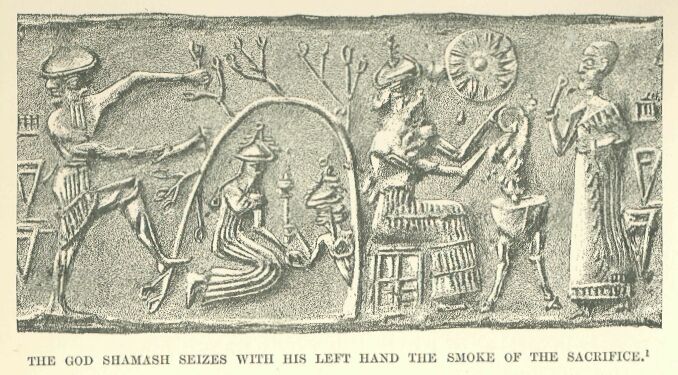
             (smoke offering to Shamash)

To Shamash the Sun much incense

With this smoke-offering in progress

She raised her hands to Shamash:

‘Having granted me as my son Gilgamesh,

Why have then have you given my him such a restless heart?

         Why have you made him wish to go on a Great Journey to the place of  Humbaba? ..”


As Ninsun:

         “Nintud (Ninhursag) assisted at my birth.

As I came forth from the womb of my mother Ninsun, a favorable destiny was determined for me.

         In me, Ur-Namma, the lands of Sumer and Akkad have their protecting genius …”


         “The mother, miserable because of her son,

the mother of the king, holy Ninsun, was crying: ‘Oh my heart!’.

         Because of the fate decreed for (King) Ur-Namma, …”


         “Gilgamesh prayed: ‘O Shamash, by the life of my mother Ninsun, who gave birth to me,

And of pure Lugulbanda, my father, truly I have entered this land of the cedar

         And here have I known your dwelling place …”


         “The… words of Gilgamesh, her son, grieving, Queen Ninsun heard over and over.

Ninsun went into her living quarters.

She washed herself with the purity plant, she donned a robe worthy of her body,

she donned jewels worthy of her chest, she donned her sash, and put on her crown.

She sprinkled water from a bowl onto the ground.

She… and went up to the roof.

She went up to the roof and set incense in front of Shamash,.

I she offered fragrant cuttings, and raised her arms to Shamash.

         ‘Why have you imposed–nay, inflicted!–a restless heart on my son, Gilgamesh!

         Now you have touched him so that he wants to travel a long way to where Humbaba is!

         He will face fighting such as he has not known, and will travel on a road that he does not know!

         Until he goes away and returns, until he reaches the Cedar Forest, until he kills Humbaba the Terrible,

         and eradicates from the land something baneful that you hate, on the day that you see him on the road(?)

         may Aja (Aya), the Bride, without fear remind you, and command also the Watchmen of the Night,

         the stars, and at night your father, Sin.’ …”


         (King) Lugalbanda took an unfamiliar path away from his beloved dwelling.

         (1 ms. adds: Ninsun …….) ‘Alas the destroyed city, my destroyed house,’ she cried bitterly …”


         “She, the Wise, the Custodian of Knowledge,

Says to her lord –

She, Ninsun (daughter to Ninurta & Bau), Custodian of Knowledge,

          Says to Gilgamesh: …”


         “Gilgamesh spoke to Enkidu, said to him: ‘Up, my friend, let us go to the Great Palace

To see Ninsun (Lugulbanda‘s spouse), the Great Queen Ninsun the Wise, who has knowledge of everything, …”


         “Gilgamec rested his hand on the ground, and addressed Huwawa:

‘By the life of my own mother Ninsun and of my father, holy Lugalbanda!

No one really knows where in the mountains you live;

they would like to know where in the mountains you live.

         Here, I have brought you En-me-barage-si, my big sister, to be your wife in the mountains.’ …”


         “’By the life of my mother Ninsun and of my father, holy Lugalbanda!

No one really knows where in the mountains you live;

they would like to know where in the mountains you live.

         Here, I have brought you Ma-tur, my little sister, to be your concubine in the mountains.’ …”


         “His sister …….

His mother who bore him (Ninsun) ……

Pectur (mixed-breed), his little sister ……. Gilgamec ……

‘My mother who bore me, in the house (?) of Enki (?) ……. Pectur, the little sister, ……,

will bring back the cattle to their tethering stakes ……,

         will bring back the sheep to their tethering stakes …….’ …”


As Ninsumun:

        “Dumuzid-ama-ušumgal-ana has declared ‘It is a matter for me!

        and assigned Gilgameš (Gilgamesh), the son of Ninsumun, to me as a constable!’

        The citizens of Unug and Kulaba rejoiced …”


        “Warrior Gilgamec, son of Ninsumun, …”


         (Inanna speaking to Utu)

         “put your hand in my hand and then escort me to my house.

Escort me to my house, to my house in Zabalam.

Escort me to my mother, to my mother Ningal (Nannar’s spouse).

Escort me to my mother-in-law, to Ninsumun (Ninsun, Dumuzi‘s mother).

         Escort me to my sister-in-law, to Jectin-ana (Dumuzi‘s sister Geshtinana) …”


         “Utnapishtim (Noah) replied: (to Gilgamesh)

‘You are two parts divine from virgin Ninsun mother yours‘ …”


Ninsun As Rimat-Ninsun:

         “The offspring of Lugulbanda, Gilgamesh is perfect in strength

The son of the revered Cow, of the woman Rimat-Ninsun (Ninsun).

            Gilgamesh inspires perfect awe …”


Dannat / Ellat-gula = Ninsun, Spouse to Lugalbanda

Goddess of Uruk, Mother to Gods & Mixed-Breed Giants

         Gilgamesh

       His mother Ellat-gula on the throne

         From Erech (Uruk) all Kardunia ruled alone

         Behold the sovereign on her throne of bronze,

         While crouching at her feet a lion fawns;

         The glittering court with gold and gems ablaze

         With ancient splendor of the glorious days

         Of Accad‘s sovereignty. Behold the ring

         Of dancing beauties circling while they sing

         With amorous forms in moving melody,

          The measure keep to music’s harmony.

         Hear! how the music swells from silver lute

         And golden-stringèd lyres and softest flute

         And harps and tinkling cymbals, measured drums,

         While a soft echo from the chamber comes.

         But see! the sovereign lifts her jeweled hand,

         The music ceases at the Queen’s command;

         And lo! two chiefs in warrior’s array,

         With golden helmets plumed with colors gay,

         And golden shields, and silver coats of mail,

         Obeisance make to her with faces pale,

         Prostrate themselves before their sovereign’s throne;

         In silence brief remain with faces prone,

         Till Ellat-gula speaks: ‘My chiefs, arise!

         What word have ye for me? what new surprise?’

         Tur-tau-u, rising, says, ‘O Dannat Queen!

         Thine enemy, Khum-baba with Rim-Siun (King Rim-Sin)

         With clanging shields, appears upon the hills,

         And Elam’s host the land of Sumir fills.’

         ‘Away, ye chiefs! sound loud the nappa-khu!

         Send to their post each warrior bar-ru! ‘…”


         Queen Daunat’s (Ninsun’s) son, our Izdubar, …”


         Izdubar (Gilgamesh)…

         His mother Ellat-gula (Ninsun) on the throne

         From Erech (Uruk) all Kardunia ruled alone …”


Dutur Quotes From Text

Durtur = Ninsun, Dumuzi‘s & Geshtinanna‘s mother with Enki

         My mother will call to me, my mother, my Durtur, will call to me,

         my mother will call to me for five things, my mother will call to me for ten things:

         if she does not know the day when I am dead …”


         Only his mother Durtur can gladden my master!

         Only his mother Durtur can gladden Dumuzid!

         My goddess, born in Kuara, the maiden who is the crown of all ……,

         the admiration and acclaim of the black-headed people, the playful one who also voices laments and the cries,

       who intercedes before the king – Jectinana, the lady, did …….”


Gutumdug / Jatumdug Quotes From Texts

Gutumdug / Jatumdug = Ninsun, Bau‘s & Ninurta‘s daughter, spouse to mix-breed Lugalbanda

Mother to Anunnaki Gods, & Mother to many Giant Semi-Divine Mixed-Breed Kings

As Gatumdug / Gutumdug:

        “Your god Nin-jiczida (Ningishzidda, Enki‘s son) is the grandson of An;

        your (Gudea) divine mother is Ninsun, the bearing mother of good offspring,

        who loves her offspring; you are a child born by the true cow …”


        “Gudea,...the offspring of the goddess Gutumdug,

        dowered with sovereignty and the scepter supreme by the god Gal-alim (Ig-alim, …”


        “covered with renown by the goddess Bau (Ninsun’s mother),

        (Gudea) the offspring begotten by the goddess Gatumdug,

        endowed with sovereignty and the scepter supreme by the god Gal-alim (Ninurta‘s son) ...”.


         “may the mother of Shirpurla (Lagash) the august goddess Gatumdug,

         may the goddess Bau (Ninurta‘s spouse) the lady the elder daughter of Anna (Anu) ,…”


         “To the goddess Gatumdug, the mother of Shirpurla (Lagash),

         Gudea the patesi of Shirpurla, the man of the goddess Gatumdug,

         thy favorite servant, who has made the dedicatory (?) inscriptions,

         (and) the temple of E-ninnû which illuminates the darkness (?),

         (the temple) of the god Nin-girsu (Ninurta) (who) has constructed,

         the goddess Gatumdug his lady, who in Shirpurla, her favorite city,

         for the supreme rank (?) has created him, the temple of the goddess Gatumdug

         his lady to construct has given him the order …”


         Gudea, the architect (?), the patesi of Shirpurla,

         the shepherd chosen by the unchangeable will of the god Nin-girsu (Ninurta),

         regarded with a favorable eye by the goddess Ninâ (Enki‘s daughter),

         dowered with power by the god Nin-dara (Nanshe‘s husband),

         covered with renown by the goddess Bau (Ninurta‘s spouse),

         the offspring of the goddess Gutumdug (Ninsun), …”


         “The temple of the goddess Gatumdug he (Ur-Nanshe) has erected …”


         [The palace] of the Ti-ash-ra (?) he has erected.

         The temple of the goddess Gatumdug …”


          Ninâ-ur king of Shirpurla (Lagash), son of Nini-ghal-gin

         The temple of the goddess Gatumdug he has erected …”


         To the goddess Gatumdug, the mother of Shirpurla-ki (Lagash),

         Entena, the patesi of Shirpurla-ki, who has built the temple of the goddess Gatumdug …”


As Jatumdug:

         she is indeed Jatumdug.

         In ……, her …… that reaches the heavens, she is indeed ……, the firstborn child.

         In …… Jirsu, the shrine which first brought forth the seed of mankind, 

       my lady is indeed mother Bau .…”


         Jatumdug has abandoned that house Lagac (Lagash) and has let the breezes haunt her sheepfold …”


         for Gudea, born in the august sanctuary by Jatumdug …”


         Gudea celebrated the ecec festival in the house of Bagara.

         The ruler set up his bed near to Jatumdug

         He offered bread and poured cold water and went to holy Jatumdug to pray to her:

         ‘My lady, child begotten by holy An (Bau is Anu‘s daughter)

         Lady, mother, you who founded Lagac (Lagash)’ …”


         For me, who has no mother, you are my mother; for me, who has no father, you are my father.

         You implanted my semen in the womb, gave birth to me in the sanctuary, Jatumdug, sweet is your holy name!’ …”


         “May the favorable, right-hand palm of your lofty hands, my lady Jatumdug, lend me protection!…

         His call was heard; his lady, holy Jatumdug, accepted from Gudea his prayer and supplication …”


         “In the house, Enki drove in the the foundation pegs,

         while Nance, the daughter of Eridu, took care of the oracular messages.

         The mother of Lagac, holy Jatumdug, gave birth to its bricks amid cries (?),

         and Bau (Ninurta‘s spouse), the lady, first-born daughter of An (Anu), sprinkled them with oil and cedar essence.

         En and lagar priests were detailed to the house to provide maintenance for it.

         The Anuna (Anunnaki) gods stood there full of admiration ….”


Ningul / Nungal Quotes From Texts

Nin-gul = Ninsun, Lugalbanda‘s Spouse, Mother to Many Kings 2/3rds Divine, Demigods

        “to Lugal-banda his god and Nin-gul his goddess …”

        “He attached the seventh roar to the goddess Nungal …”

Lama Quote From Text

Ninurta’s inspector of the fisheries

           “With his divine duties, namely to make sure that Imin-catam, the messenger of Gu-edina,

         informs Nin-jirsu about the amount of carp and perch yielded by the marshes,

         and about the quantity of new shoots of reed yielded by the green reedbeds,

         Gudea introduced Lama, the inspector of the fisheries of Gu-edina, to lord Nin-jirsu …”


Ninsun / Lama Overview

(gods in bluemixed-breed demigods in teal…)

2-ninsun-mother-to-mixed-breed-kings2a-ninsun-mother-of-gods-mixed-breed-kings          

        . Ninsun = Sumerian, Assyrian,

        . Ninsuna = Babylonian

        . Ninsumun = Akkadian

        . Jatumdug / Gatumdug = Lagash

        . Ellat-gula =

        . Rimat-Ninsun = Akkadian “august cow”

        . daughter to Ninurta & Bau / Gula in some texts

                 . daughter to Anu & Urash in some texts

        . born on Earth Colony, in Kuara

        . E-tarsirsir = Ninsun’s temple residence in Lagash, city of mother Bau & father Ninurta

        . E-ana = Ninsun’s & others temple residence in Uruk

        . Ti-ash-ra = “The temple of the goddess Gatumdug …”

        . espoused semi-divine mixed-breed King Lugalbanda of Uruk, ruled 1,200 years

Ninsun’s Divine Anunnaki Son:

        . Dumuzi The Shepherd with Enki

Ninsun’s Divine Anunnaki Daughters:

         . Geshtinanna with Enki

        . Aya / Aia, Utu‘s spouse

               (Utu Speaking: Escort me to my mother-in-law, to Ninsumun…”)

Ninsun’s Semi-Divine Mixed-Breed Sons Made Kings:       

       . King Gilgamesh / Izdubar of Uruk, 2/3rds divine, ruled 126 yrs.

              “Izdubar (Gilgamesh)his mother Ellat-gula (Ninsun)...”; “ Gilgamec, son of Ninsumun…”

       . King Ur-Nammu of Ur, 2/3rds divine

              “Ur-Namma…child of Ninsun, she has given birth to you…”

       . King Gudea of Lagash, 2/3rds divine

              “Gudea…your divine mother is Ninsun…”

Ninsun’s Semi-Divine Mixed-Breed Grandson Made King:

       . King Shulgi / Culgi of Ur

              Culgi, the son of Ninsun…”

Ninsun’s Semi-Divine Mixed-Breed Great-Grandsons Made Kings:

        . King Amar-Sin / Bur-Sin of Ur, brother to Shu-Sin

        . King Shu-Sin of Ur, son of Ninsumun (Ninsun)…”

Ninsun’s Semi-Divine Mixed-Breed Daughters:

        . daughters Enmebaragesi & Matur

               Gilgamesh Speaking: my own mother Ninsun and of my father, holy Lugalbanda! …I have brought you En-me-barage-si, my big sister…I have brought you Ma-tur, my little sister, …”

Minor Gods Related to Ereshkigal Quotes From Texts

(Texts: All Artifacts, Color Coding, & Writings in Bold Type With Italics Inside Parenthesis, are Added by Editor R. Brown, not the Authors, Translators, or Publishers!)

(gods in bluemixed-breed demigods in teal)


Neti Quote From Text

Neti = Ereshkigal’s Gatekeeper in the Under World


        “Sooner than Ninlil expected, a stern gate towered over her,

          opened by an even sterner gatekeeper holding a torch upright.

         He was Neti, she was told, Ereshkigal’s guardian of the Underworld thresholds.

         This time, she was sure, the Guardian had not been Enlil in disguise.

         Eyes were not light of color, there were no emotions on sight, just impartiality and efficiency.

         Six other gates succeeded the first with a speed she found difficult to believe,

         for a feeling of disorientation took hold of her,

          as if she were going deeper and deeper within layers and layers of existence, her own and many others.

          The strong, soul-baring feeling only subsided when she crossed the seventh gate,

          when another even more serious face greeted her and Neti.

Sukkal Namtar (Ninlil), the young woman from the Worlds Above

requests to be seen by the Great Queen,’ provided Neti.

Namtar (Ereshkigal’s son) nodded and appraised Ninlil with cold assurance.

She felt like shrinking before such knowing gaze, but held her ground.

‘Since you’ve come this far, it is fitting that you are given the chance to see Queen …

and see whether you can conquer her graces!

Follow me,’ Namtar answered after a time that looked like eternity …”


Namtar Quotes From Texts

Namtar = Ereshkigal’s Son & Vizier

Gatekeeper to the Under World, Messenger God for Ereshkigal


At each of the seven gates, one of Inanna’s accoutrements and weapons was from her removed, Then, unclothed and powerless before Ereshkigal’s throne, Of scheming an heir by Nergal, Dumuzi’s brother, she was accused! Trembling with fury, Ereshkigal to her sister’s explanations would not listen.

         “’Let loose against her the sixty diseases!’

         Ereshkigal her vizier, Namtar, in anger ordered …”


         To Namtar, who decrees all the fates,

         in his palace, the shepherd Ur-Namma offered perfectly wrought jewelery,

         a golden ring cast (?) as a …… barge,..

         To Hucbisag, the wife of Namtar, in her palace,

         the shepherd Ur-Namma offered a chest (?) with a lapis-lazuli handle,

         containing (?) everything that is essential in the underworld,

         a silver hair clasp adorned with lapis-lazuli, and a comb of womanly fashion …”


         “When before Ereshkigal they came, Ereshkigal by their appearance was puzzled:

         Are you Anunnaki? Are you Earthlings?

         With bewilderment she asked them.

         Namtar the magical weapons of power against them directed, but unharmed the two were.

         To the lifeless body of Inanna he took them, hanging from a stake she was …”


         Sukkal Namtar, the young woman from the Worlds Above

         requests to be seen by the Great Queen,’ provided Neti.

         Namtar nodded and appraised Ninlil with cold assurance …”


         “’Follow me,’ Namtar answered after a time that looked like eternity …

         ‘is it your will to get into the domains of the Great Queen Ereshkigal?’ asked quietly Namtar …”


         Ninlil followed Namtar across the silent courtyard, countless passageways, chambers and staircases.

         Finally, they stopped in the Grand Hall. Namtar bowed deeply.

         Ninlil wisely imitated him before raising her eyes and to see what laid before her eyes …”


         Ereshkigal made her voice heard and spake, she addressed her words to her vizier Namtar,

         ‘O Namtar my vizier, I shall send you to the heaven of our father Anu.

         Namtar, go up the long stairway of heaven.

         Take from the table and accept a present for me.

         Whatever Anu gives to you, you must present to me’ …”


         Ereshkigal made her voice heard and spake,

         Addressed her words to Namtar her vizier, ‘Go, Namtar, you must speak to Anu, Ellil, and Ea!

         Set your face towards the gate of Anu, Ellil, and Ea,’ …”


       “The evil demons and the evil demonesses who beset mankind,

       Dim-me and Dim-mea who enter by night, Namtar and Asag who will not leave a man alone, …”


         Enkidu went down to retrieve them but the nether world has seized him.

         Namtar did not seize him, the Asag did not seize him; but the nether world has seized him.

         The udug demon of Nergal, who spares nobody,

         did not seize him, but the nether world has seized him …”


         Namtar with no hands or feet takes away …….”


         Ninazu Quotes From Texts

Ninazu – Son to Ereshkigal Some Texts, Son to Enlil Some Texts

Spouse to Ninsutu


As Ereshkigal’s son:

         To Ereckigala (Ereshkigal), the mother of Ninazu, …”


         “Praise be to Enki. Ninjiczida (Ningishzidda), son of Ninazu! …”


         “’She who lies there, she who lies there, Ninazu’s (Ereshkigal’s son) mother who lies there —

         her pure shoulders are not covered with a garment, and no linen is spread over her pure breast.

         She has fingers like a pickaxe, she plucks her hair out like leeks.’ …”


As Enlil’s son:

         “made love with her, kissed her; and at his lovemaking, at his first kiss,

        he poured into the womb for her the sperm, germ of Ninazu, owner of the temple manor Egida! ..”.


         Ninazu dines on your platform.

       Your sovereign, the great lord, the son of Enlil,…

         The true seed born of the Great Mountain and Ninlil,

         your sovereign, the warrior Ninazu, has erected a house in your precinct,

         O E-sikil, O Ešnunna, and taken his seat upon your dais, the house of Ninazu in Ešnunna …”


         Ninazu of the words of prayer, has erected a house in your precinct,

         O house Enegir, and taken his seat upon your dais, the house of Ninazu in Enegir …”


         (Culgi speaks:)

         Seed placed by the prince in the holy womb, born on the bright mountain,

         Ninazu, who like a wild bull which lows in its drinking,’

         8 lines missing or unclear

         (Ninazu speaks:)

         ‘…… like syrup …… ghee …….

         You, the hero, coming from the rebel land …….

         O king, the lord of prayers and supplications has chosen you in his heart;

         shepherd Culgi, the lord of prayers and supplications has chosen you in his heart.

         Who can rival (?) a king to whom Enlil has given strength?’ …”


         Then Ninazu ……, and said to his brother Ninmada:

         ‘Let us go to the mountain, to the mountain where barley and flax grow;

         …… the rolling river, where the water wells up from the earth.

         Let us fetch the barley down from its mountain, let us introduce the innuha barley into Sumer.

         Let us make barley known in Sumer, which knows no barley.’

         Ninmada, the worshiper of An (Anu), replied to him:

         ‘Since our father has not given the command,

         since Enlil has not given the command, how can we go there to the mountain?’ …”

Cultivated cereals by Ninmada in Sumer, they genetically altered grains from Nibiru (hemp, wheat, barley), mountain strains to valley strains, etc.


         Ninazu deposited his weapon in a corner in the E-gida …”


         “’Lay with me, lady Air (Ninlil), and share a night of passion by the cataract.

         I need your care to guide me through this lonely night.’…

         ‘Will you carry me afterwards, as you did… to Enlil?’

         Yes’. ‘This seed of yours, I’ll call him Ninazu, the Water-Knower, Lord of the Depths that Heal.

         His will be the knowledge to wound too, because healing and wounding are two sides of the same coin’ …”


         Let Ninsutu marry Ninazu; …”


         Ningiriudu shall marry Ninazu, …”


Ninsutu Quotes From Texts

Ninsutu / Ningiriudu /Ninjirida / Ningirida = Enki & Ninhursag’s daughter via Uttu

Ninazu’s spouse


As Ninsutu:

       “’Where else do you hurt, dearest (Enki)?’

       ‘My tooth hurts me.’

       ‘To the goddess Ninsutu

       I (Ninhursag) have given birth for you to set your tooth free’ …”


       “Let Ninsutu marry Ninazu; …”


As Ningirida / Ningiriudu:

          “Ninjiczida (Ningishzidda), who brings together giant snakes and dragons!

          Great wild bull who, in the murderous battle, is a flood that ……!

          Beloved by his mother, he to whom Ningirida gave birth from her luxurious body,

          who drank the good milk at her holy breast, who sucked in lion’s spittle, who grew up in the abzu! …’

            ‘Praise be to Enki. Ninjiczida, son of Ninazu!’ …”


Lady Ningirida, say to you: ‘Your house, your city!’

as she steps before you in prayer, god of the Land, my lord Ninazu! …“


Enegir lay ahead of the offerings, Urim lay behind them

She brought out of the house what should not come out of the house, what should not come out of the house —

Ningirida (Ninazu’s spouse) brought out of the house what should not come out of the house:

‘Welcome, welcome, welcome o boat!

O boat of Suen, welcome, welcome o boat!’

She laid out flour before the barge and spread bran.

At her feet stood a covered bronze gakkul vat.

(1 ms. adds 1 line:With her fingers she pulled out the boxwood bung (?) for him (declaring):)

‘I shall rub precious oil on this peg.

May ghee, syrup and wine be abundant in your midst,

may the suhur carp and the ectub carp rejoice at the prow of your boat!’

         But the boat did not give her its cargo: ‘I am going to Nibru!’ …”


        Ningiriudu shall marry Ninazu, …”


(Ninhursag speaking:) “‘My brother, what part of you hurts you?’

(Enki) ‘My nose (giri) hurts me.’

         She gave birth to Ningiriudu out of it …”


Nimada Quotes From Texts

Nimada = Enlil’s Son in Some Texts

Nimada = Ereshkigal’s Son in Some Texts


         “Then Ninazu (son of Enlil sometimes, son of Ereshkigal sometimes)……, and said to his brother Ninmada:…

         ‘Let us fetch the barley down from its mountain, let us introduce the innuha barley into Sumer.

         Let us make barley known in Sumer, which knows no barley’. …”


         “Ninmada, the worshipper of An (Anu), replied to him:

‘Since our father has not given the command, since Enlil has not given the command,

how can we go there to the mountain?

         How can we bring down the barley from its mountain?’ …”


         “Let Ninmah (Ninhursag) act as your assistant;

         and let Ninimma, Cu-zi-ana, Ninmada, Ninbarag, Ninmug,

         …… and Ninguna stand by as you give birth …”


Belit-Seri Quote From Text

Belit-SeriEreshkigal’s Scribe


And also Ereshkigal, who is the Queen of the Underworld.

Belit-Seri, her scribe, kneels before here.

And she reads out from a tablet to her.

She, the scribe, lifts her head, sees me and says:

‘Who brought this one? ‘…”

Ninĝišzida’s Journey to the Nether World

The Electronic Text Corpus of Sumerian Literature

(Texts: All Artifacts, Color Coding, & Writings in Bold Type With Italics Inside Parenthesis, are Added by Editor R. Brown, not the Authors, Translators, or Publishers!)

(gods in bluemixed-breeds in teal)

1-3. “Arise and get on board, arise, we are about to sail, arise and get on board!” —

Woe, weep for the bright daylight, as the barge is steered away! —

“I am a young man! Let me not be covered against my wishes by a cabin,

as if with a blanket, as if with a blanket!”

4-10. Stretching out a hand to the barge, to the young man being steered away on the barge,

stretching out a hand to {my young man Damu (Bau‘s son)

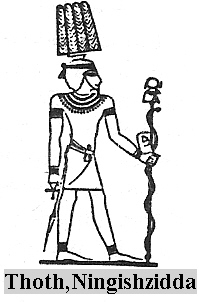
2 - Ningishzidda, younger son to Enki, son to Ereshkigal (Ningishzidda, son to Enki & Ningiridu, god of knowledge)

{(1 ms. has instead:) Lord Ninĝišzida} (Ningishzidda) being taken away on the barge,

  (thousands of artifacts discovered in Lagash, Ninurta‘s patron city)

stretching out a hand to Ištaran (Ninurta) of the bright visage being taken away on the barge,

2a-utu-shamash-twin-to-inanna  (Utu / Alla, Sun god, son to Nannar the moon crescent god of Biblical Abraham in Ur)

stretching out a hand to Alla (Utu), master of the battle-net, being taken away on the barge,

stretching out a hand to Lugal-šud-e (unidentified?) being taken away on the barge,

stretching out a hand to Ninĝišzida (Ningishzidda) being taken away on the barge —

his younger sister was crying in lament to him in {the boat’s cabin}

{(1 ms. has instead:) the cabin at the boat’s bow}.

11-12. His older sister removed the cover (?) from {the boat’s cabin}

{(1 ms. has instead:) the cabin at the boat’s stern}:

“Let me sail away with you, let me sail away with you, {brother}

{(1 ms. has instead:) my brother}, let me sail away with you.

{(2 mss. add 1 line:)

My brother, let me sail on your barge with you, my brother, let me sail away with you.

{(1 ms. adds 1 further line:)

Let me sail on your splendid barge with you, my brother, let me sail away with you.}}”

13-14. She was crying a lament to him at the boat’s bow: ”

{Brother} {(1 ms. has instead:) My brother}, let me sail away with you.

Let me …… for you in your boat’s stern, {brother}

{(1 ms. has instead:) my brother}, let me sail away with you.”

{(1 ms. adds 2 lines:) “The gudug priest sits in the cabin at your boat’s stern.”

She was crying a lament to him:

“Let me sail away with you, my brother, let me sail away with you.”}

2-bau-gives-medical-attention  (Dr. Damu, his patient, & Damu‘s mother Bau with her guard dog)

15-19. “My young man Damu (Bau‘s son), let me sail away with you, {brother}

{(1 ms. has instead:) my brother}, let me sail away with you.

  (Ninurta, son to Enlil & Ninhursag, born of the Anunnaki “double seed” law of royal succession)

Ištaran (Ninurta) of the bright visage, let me sail away with you, {brother}

{(1 ms. has instead:) my brother}, let me sail away with you.

5b-utu-ur-nammu-law-code  (giant alien god Utu & his wheel of justice, the alien way)

Alla (Utu), master of the battle-net, let me sail away with you, {brother}

{(1 ms. has instead:) my brother}, let me sail away with you.

Lugal-šud-e, let me sail away with you, {brother}

{(1 ms. has instead:) my brother}, let me sail away with you.

{(1 ms. adds 1 line:) Lugal-ki-bura (unidentified?), let me sail away with you,

my brother, let me sail away with you.}

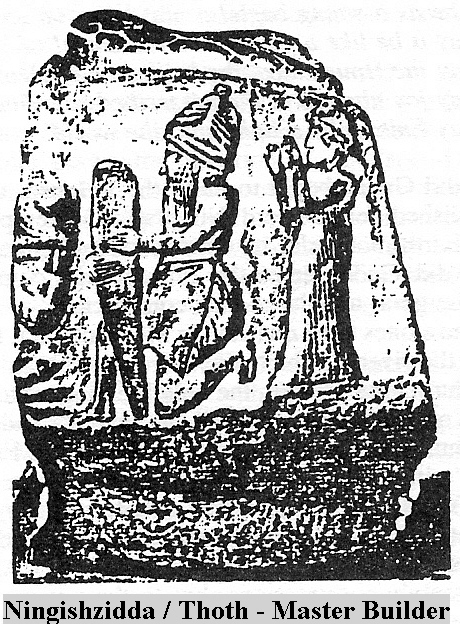
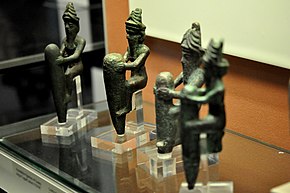
2a - Ningishzidda, Master Builder, foundation peg  (giant Ningishzidda laid the foundation pegs to the ziggurats & pyramids found everywhere on Earth)

Ninĝišzida, let me sail away with you, {brother} {(1 ms. has instead:) my brother}, let me sail away with you.

{(1 ms. adds 2 lines:)

My brother, let me sail on your barge with you, my brother, let me sail away with you.

Let me sail on your splendid barge with you, my brother, let me sail away with you.}”

20-28. The evil demon who was in their midst called out to {Lugal-ki-suna} {(2 mss. have instead:) Ninĝišzida}:

{Lugal-ki-suna} {(1 ms. has instead:) Lugal-ki-bura}, look at your sister!”

Having looked at his sister, {Lugal-ki-suna} {(1 ms. has instead:) Lugal-ki-bura} said to her:

“He sails with me, he sails with me.

Why should you sail {(1 ms. adds:) to the underworld}?

Lady, the demon sails with me.

Why should you sail {(1 ms. adds:) to the underworld}?

The thresher sails with me.

Why should you sail {(1 ms. adds:) to the underworld}?

The man who has bound my hands sails with me.

Why should you sail?

The man who has tied my arms sails with me.

Why should you sail?”

29-37. “The river of the nether world produces no water, no water is drunk from it.

{(1 ms. adds:) Why should you sail?}

The fields of the nether world produce no grain, no flour is eaten from it.

{(1 ms. adds:) Why should you sail?}

The sheep of the nether world produce no wool, no cloth is woven from it.

{(1 ms. adds:) Why should you sail?}

As for me, even if my mother digs as if for a canal,

I shall not be able to drink the water meant for me.

The waters of springtime will not be poured for me as they are for the tamarisks;

I shall not sit in the shade intended for me.

The dates I should bear like a date palm will not reveal (?) their beauty for me.

I am a field threshed by my demon — you would scream at it.

He has put manacles on my hands — you would scream at it.

2a-dumuzi-the-shepherd-adam-eve  (Dumuzi the Shepherd with manacles on his hands & feet)

He has put a neck-stock on my neck — you would scream at it.”

38-44. Ama-šilama (Ninĝišzida‘s sister) said to Ninĝišzida:

“The ill-intentioned demon may accept something — there should be a limit to it for you.

My brother, your demon may accept something, there should be a limit to it for you.

For him let me …… from my hand the ……, there should be a limit to it for you.

For him let me …… from my hand the ……, there should be a limit to it for you.

For him let me …… from my hips the dainty lapis lazuli beads, there should be a limit to it for you.

For him let me …… from my hips the …… my lapis lazuli beads, there should be a limit to it for you.”

45-49. “You are a beloved ……, there should be a limit to it for you.

How they treat you, how they treat you! — there should be a limit to it for you.

My brother, how they treat you, how haughtily they treat you! — there should be a limit to it for you.

“I am hungry, but the bread has slipped away from me!” — there should be a limit to it for you.

“I am thirsty, but the water has slipped away from me!” – there should be a limit to it for you.”

50-54. The evil demon who was in their midst,

the clever demon, that great demon who was in their midst,

called out to the man at the boat’s bow and to the man at the boat’s stern:

“Don’t let the mooring stake be pulled out, don’t let the mooring stake be pulled out,

so that she may come on board to her brother, that this lady may come on board the barge.”

55-62. When Ama-šilama had gone on board the barge,

a cry approached the heavens, a cry approached the earth,

that great demon set up an enveloping cry before him on the river:

Urim (Ur), at my cry to the heavens lock your houses, lock your houses, city, lock your houses!

3d - Nannar's Ziggourat-Temple in Ur (Nannar‘s ziggurat temple residence in Ur)

Shrine Urim, lock your houses, city, lock your houses!

Against your lord who has left the ĝipar, city, lock your houses!”

1 line fragmentary

approx. 1 line missing

64-69. 2 lines fragmentary

…… a holy scepter.

…… a holy robe of office.

…… a holy crown.

…… a lapis-lazuli scepter.

70-75. He …… to the empty river, the rejoicing (?) river:

“You (addressing Ama-šilima) shall not draw near to this house, …….

…… to the place of Ereškigala (Ereshkigal).

My mother …… out of her love.

As for you (addressing the demon), you may be a great demon ……,

…… your hand against the nether world‘s office of throne-bearer.”

76-81. “My king will no longer shed tears in his eyes.

The drum will …… his joy in tears.

Come! May the fowler utter a lament for you in his well-stocked house, lord, may he utter a lament for you.

How he has been humiliated!

May the young fisherman utter a lament for you in his well-stocked house,

lord, may he utter a lament for you.

How he has been humiliated!

May the mother of the dead gudug priest {utter a lament for you in her empty ĝipar}

{( 1 ms. has instead:) , on whom the house of the palace looked with envy (?)},

utter a lament for you, lord, may she utter a lament for you.

How he has been humiliated!

May the mother high priestess utter a lament {for you who have left the ĝipar}

{(1 ms. has instead:) for you, now dead, who used to be in your ĝipar}, lord, may she utter a lament for you.

How he has been humiliated!”

82-89. “My king, bathe with water your head that has rolled in the dust.

…… in sandals your feet defiled from the defiled place.”

The king bathed with water his head that had rolled in the dust.

…… in sandals his feet defiled from the defiled place.

“Not drawing near to this house, ……. …… your throne …… to you “Sit down”.

May your bed …… to you “Lie down”.”

He ate food in his mouth, he drank choice wine.

       Great holy one,

         (Ereshkigal, Queen of the Under World)

       Ereškigala, praising you is sweet.